
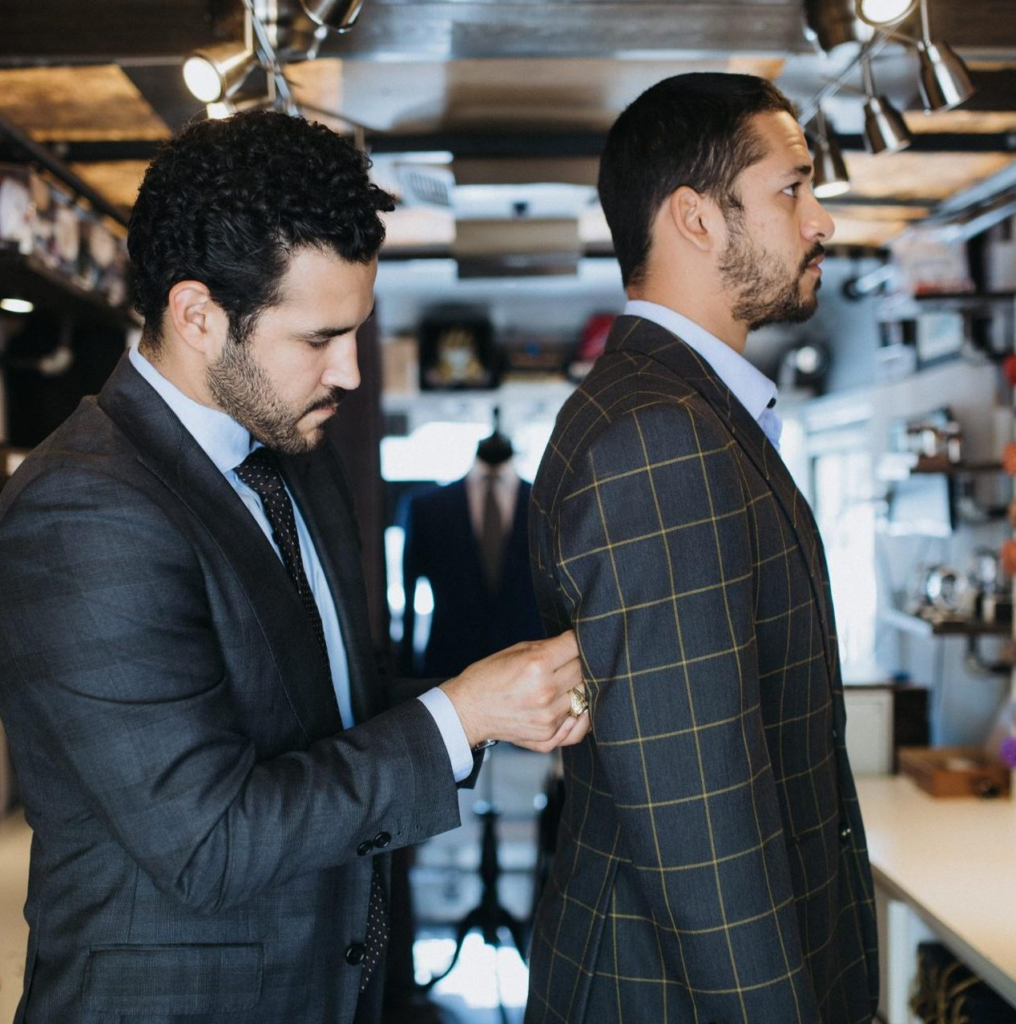
For business professionals in Los Angeles, the right suit is more than formal clothing. It is part of how you present yourself in meetings, networking events, presentations, interviews, conferences, client dinners, and other important professional settings.
A well-fitted custom suit can create a polished appearance while providing the comfort and flexibility needed for a busy workday. But the quality of a custom suit depends heavily on the tailor you choose.
If you are searching for custom suits in Los Angeles, it helps to understand what separates a personalized tailoring experience from simply buying a suit and having a few alterations made.
From measurements and fabric selection to construction, communication, and final adjustments, here is what business professionals should consider when choosing a tailor in Los Angeles.
Why Are Custom Suits Popular With Business Professionals?
Off-the-rack suits are manufactured according to standardized sizing. While they can work well for some people, standardized measurements cannot account for every person’s posture, shoulder position, proportions, or preferred fit.
Custom tailoring takes a more individualized approach.
Depending on the tailoring service, measurements may account for details such as:
- Shoulder width
- Chest and waist measurements
- Jacket length
- Sleeve length
- Trouser waist and seat
- Inseam and outseam
- Thigh and leg proportions
- Posture
- Shoulder slope
- Personal fit preferences
The objective is not simply to make a suit tighter. A properly fitted business suit should create clean proportions while allowing comfortable movement.
For professionals who regularly wear suits, that difference can become especially valuable.

1. Look for a Tailor Who Understands Professional Style
Business attire varies considerably between industries.
A suit appropriate for an attorney meeting clients may differ from what works for someone in entertainment, finance, technology, real estate, or creative services.
Los Angeles adds another dimension because professional dress can range from traditional corporate attire to modern business casual.
A good tailor should therefore begin by understanding how you intend to use your suit.
Before recommending fabrics or design details, the tailor may ask:
What industry do you work in?
How often will you wear the suit?
Will you primarily wear it for meetings or everyday business?
Do you travel frequently?
Do you prefer traditional or contemporary styling?
Will you need the suit for evening events as well as daytime meetings?
These questions help ensure that your custom suit complements your professional environment rather than simply following a trend.
2. Pay Attention to the Measurement Process
Measurements are one of the foundations of custom tailoring.
A comprehensive fitting should consider more than chest, waist, sleeve, and inseam measurements. An experienced tailor also observes how clothing sits naturally on your body.
For example, differences in shoulder height, posture, torso length, or leg proportions can influence how a jacket hangs.
A tailor may evaluate:
- Jacket balance
- Shoulder alignment
- Sleeve pitch
- Trouser rise
- Jacket suppression
- Trouser break
- Overall silhouette
These details can make the difference between a suit that technically fits and one that appears naturally balanced.
When evaluating custom tailors in Los Angeles, ask how their measurement and fitting process works and whether additional fittings or adjustments are included.
3. Consider Fabric Carefully
Fabric affects how your suit looks, feels, drapes, and performs throughout the day.
For Los Angeles professionals, climate is an important consideration. Heavy fabrics that work well in colder climates may feel unnecessarily warm during much of the year.
Depending on the season and intended use, options may include:
Lightweight Wool
Wool is a versatile choice for professional suits. Lightweight and tropical-weight wool can provide a refined appearance while remaining appropriate for warmer conditions.
Wool Blends
Blended fabrics can combine wool with other fibers to achieve specific characteristics relating to comfort, durability, texture, or performance.
Linen
Linen is breathable and works particularly well for warm-weather occasions. However, its tendency to wrinkle creates a more relaxed appearance, so it may not suit every corporate environment.
Cotton
Cotton suits can offer a less formal alternative for business-casual environments and warmer weather.
Rather than choosing fabric purely by appearance, discuss where, when, and how frequently you plan to wear your suit.
4. Understand the Difference Between Custom, Made-to-Measure, and Bespoke
These terms are frequently used when discussing men’s suits, but they do not always describe exactly the same process.
Ready-to-wear suits are manufactured in predetermined sizes and can then be altered.
Made-to-measure typically starts with an existing base pattern that is adjusted according to the client’s measurements and preferences.
Bespoke tailoring traditionally involves creating an individualized pattern for a specific client and may include multiple fittings and extensive handwork.
The word custom is used more broadly and can describe different levels of personalization depending on the tailoring business.
For that reason, do not rely on terminology alone.
Ask the tailor exactly what their process includes.
5. Evaluate Construction Quality
A beautiful fabric cannot compensate for poor construction.
The internal structure of a suit influences how the jacket holds its shape and drapes across the body.
Ask about elements such as:
- Jacket construction
- Canvas or fused construction
- Linings
- Button quality
- Stitching
- Pocket construction
- Trouser finishing
- Reinforcement in high-wear areas
You do not necessarily need to become an expert in suit construction before buying one. A knowledgeable tailor should be able to explain these options clearly and recommend an appropriate construction based on your budget, expectations, and frequency of wear.
6. Choose a Tailor Who Offers Meaningful Customization
One of the advantages of custom tailoring is the ability to personalize your suit.
Depending on the service, customization options can include:
- Lapel style and width
- Single- or double-breasted construction
- Number of buttons
- Jacket vents
- Pocket styles
- Trouser pleats
- Trouser cuffs
- Waistband details
- Interior lining
- Buttons
- Contrast stitching
- Monograms
For a business suit, customization is often most effective when it is subtle.
A distinctive lining or carefully selected button can add personality without making the suit inappropriate for professional settings.
Your tailor should help you distinguish between personalization that improves the garment and details that are unlikely to suit your professional environment.
7. Look for Guidance, Not Just Options
A large selection of fabrics and customization options can be useful, but too many choices can also make the process confusing.
A skilled tailor should provide recommendations.
For example, if you explain that you need a suit for frequent client meetings in Los Angeles, your tailor might suggest a versatile navy or charcoal fabric, a comfortable year-round weight, and understated styling.
For a professional who travels frequently, wrinkle resistance and versatility might receive greater priority.
The tailor should listen first and recommend second.
8. Consider Your Existing Professional Wardrobe
A custom suit should ideally complement the clothing you already own.
Before choosing a color or pattern, think about your existing:
- Dress shirts
- Ties
- Shoes
- Belts
- Business-casual pieces
- Overcoats
- Accessories
If this is your first high-quality business suit, versatile colors such as navy or charcoal can make coordinating different outfits easier.
Once those essentials are covered, you can explore lighter shades, subtle patterns, double-breasted designs, or more distinctive fabrics.
A knowledgeable tailor can help you build a wardrobe strategically rather than treating every suit as an isolated purchase.
9. Ask About the Fitting and Adjustment Process
Your first measurement appointment is only part of the process.
Ask what happens after your garment is produced.
Will there be a final fitting?
What happens if the jacket or trousers require additional adjustments?
How are fit concerns handled?
Clear communication about adjustments is particularly important when ordering your first custom suit from a new tailor.
The final fitting allows the tailor to examine how the completed garment sits on your body and identify any refinements that may improve the result.
10. Think About Comfort as Much as Appearance
A business suit may be worn for eight hours or longer, so comfort matters.
You should be able to sit, walk, drive, and move your arms naturally without feeling unnecessarily restricted.
This is particularly relevant in Los Angeles, where professionals may spend substantial time moving between offices, restaurants, hotels, conferences, and events.
A suit can have a clean, contemporary silhouette without being excessively tight.
During your fitting, move naturally. Sit down, raise your arms slightly, and walk around.
A good fit should look polished while still functioning as clothing you can comfortably wear.
11. Ask About Turnaround Time
Custom suits require planning.
The exact production timeline varies depending on the tailoring process, fabric availability, construction, fitting requirements, and requested customization.
If you need a suit for an important conference, wedding, presentation, interview, or business event, do not wait until the last minute.
Ask your tailor about the expected timeline before placing the order and leave additional time for final adjustments.
12. Consider Long-Term Value
Price is naturally an important consideration, but it should not be the only factor.
When comparing custom suits, consider:
Fit: Does the tailoring process address your individual proportions?
Fabric: Is the material appropriate for your lifestyle and Los Angeles climate?
Construction: Is the garment designed for your expected frequency of wear?
Versatility: Can you wear it across multiple professional situations?
Service: Does the tailor provide clear guidance and fitting support?
A business suit that works across meetings, presentations, conferences, dinners, and formal professional occasions may provide greater practical value than a less versatile option.
What Color Custom Suit Is Best for Business?
For many professionals, navy and charcoal are useful starting points.
Navy works with a wide variety of shirts, ties, and shoes and can transition effectively from daytime business meetings to evening professional events.
Charcoal offers a traditional professional appearance and is similarly versatile.
Medium gray can also be useful, particularly in warmer climates and less conservative workplaces.
Black suits are commonly associated with more formal or evening occasions and may be less versatile as an everyday business suit depending on your industry.
After establishing these foundational colors, professionals can consider subtle patterns such as pinstripes, checks, or textured fabrics.
How Should a Business Suit Fit?
A properly fitted suit should appear balanced rather than tight.
The jacket shoulders should sit naturally without significant overhang or pulling. The collar should rest cleanly around the neck, while the jacket should follow the torso without creating excessive tension.
Sleeve length should allow an appropriate amount of shirt cuff to show.
Trousers should sit comfortably at the waist and fall cleanly through the leg. The amount of trouser break depends partly on personal style, but excessive bunching can make an otherwise refined suit appear untidy.
The best fit ultimately depends on your proportions, posture, preferences, and intended style—which is precisely where personalized tailoring becomes valuable.
Choosing Custom Suits in Los Angeles
Los Angeles professionals have diverse wardrobes because the city’s industries, workplaces, climate, and social environments vary considerably.
That makes personalization especially useful.
When searching for custom suits in Los Angeles, focus on the entire tailoring experience rather than simply selecting the most attractive fabric.
Look for a tailor who understands your profession, takes a detailed approach to fit, explains construction and fabric options clearly, provides thoughtful recommendations, and supports you through final adjustments.
The goal should be straightforward: a suit that looks appropriate, feels comfortable, reflects your personal style, and helps you dress confidently for the professional situations that matter.
Frequently Asked Questions
Are custom suits worth it for business professionals?
They can be particularly valuable for professionals who wear suits regularly or have difficulty finding a satisfactory fit in standard sizing. Custom tailoring also allows greater control over fabric, styling, proportions, and garment details.
How much does a custom suit cost in Los Angeles?
Pricing varies considerably based on fabric, construction, tailoring method, customization, and the provider. Rather than comparing price alone, ask what is included in the service, including fittings and adjustments.
How long does it take to make a custom suit?
Timelines vary by tailor and construction method. Because final adjustments may also be required, professionals should order well ahead of important events or deadlines.
What is the best suit color for business professionals?
Navy and charcoal are among the most versatile choices. Gray is another practical option. The best color depends on your industry, existing wardrobe, and where you plan to wear the suit.
What fabric is best for a business suit in Los Angeles?
Lightweight wool and other breathable fabrics can work particularly well in Southern California’s climate. The ideal fabric should also reflect how frequently you plan to wear the garment and whether you travel often.
Should a business suit be slim fitting?
A business suit should be well-proportioned rather than simply tight. The ideal fit creates a clean silhouette while allowing comfortable movement.
What should I ask during my first custom suit consultation?
Ask about measurements, fabric choices, construction, customization, expected turnaround time, fitting appointments, alterations, and how the tailor determines the best fit for your body and professional needs.
How many business suits should a professional own?
There is no universal number. Professionals who wear suits frequently may benefit from rotating several garments, while someone who wears formal business attire occasionally may begin with one or two versatile suits.
Build a Professional Wardrobe with No33
Your business wardrobe should reflect your profession, lifestyle, personal style, and the way you want to present yourself.
Whether you are preparing for client meetings, executive presentations, business travel, networking events, or an important professional occasion, No33 can help you explore a personalized approach to men’s tailoring in Los Angeles.
Ready to discuss your next custom suit?
No33
Call/Text: +213-943-3303
Schedule a consultation and explore custom suiting designed around your measurements, preferences, and professional lifestyle.