
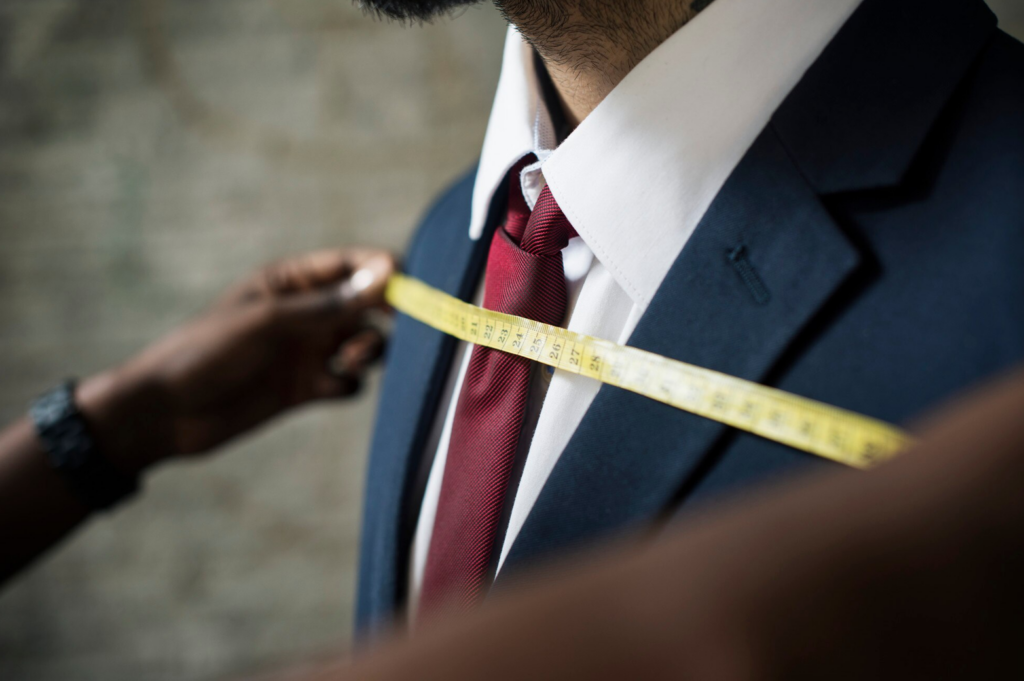
Buying your first custom suit is more than purchasing clothing—it’s an investment in your confidence, personal style, and professional image. Unlike off-the-rack suits that are made to fit the average person, a custom suit is handcrafted specifically for your body, preferences, and lifestyle.
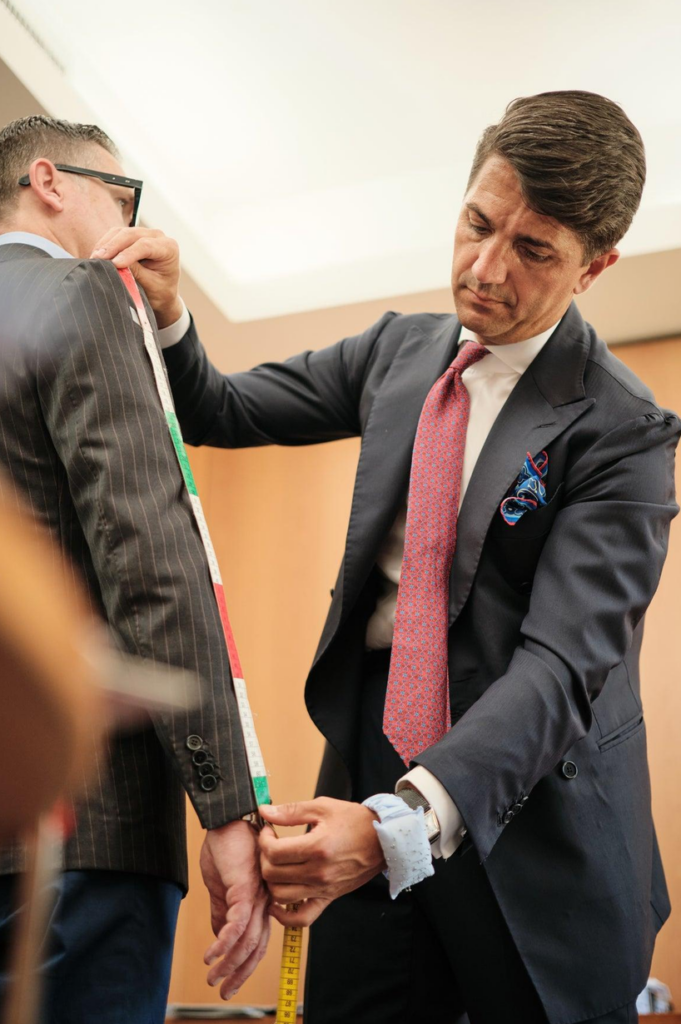
Whether you’re preparing for your wedding, an important business meeting, a black-tie event, or simply upgrading your wardrobe, understanding the custom process will help you get the best possible results.
If you’re visiting a tailor for the first time, this guide will walk you through everything you need to know before your appointment, including what to wear, what to bring, how fittings work, and how to make informed decisions throughout the process.
What Makes a Custom Suit Different?
A Custom suit is created entirely from scratch using your exact measurements. Every detail—from the pattern and fabric to the lapel style, pockets, buttons, and lining—is customized to your preferences.
Unlike made-to-measure garments that modify existing patterns, Custom tailoring involves creating a unique pattern exclusively for you. This allows the suit to fit naturally and comfortably while reflecting your personality.
Benefits include:
- Superior fit
- Greater comfort
- Premium craftsmanship
- Long-lasting durability
- Unlimited customization
- Timeless elegance
A quality bespoke suit often becomes one of the most valuable pieces in a gentleman’s wardrobe.
Why Preparation Matters
Many first-time clients assume they simply choose a fabric and get measured. In reality, preparation helps your tailor understand how you’ll wear the suit and what details matter most.
Before your appointment, think about:
- Why you need the suit
- Where you’ll wear it
- Your personal style
- Your budget
- Timeline for completion
The more information you provide, the better your tailor can recommend fabrics, cuts, and styling options.
What to Wear to Your First Appointment
One of the most common questions is:
“What should I wear to a bespoke fitting?”
Wear clothing that allows accurate measurements.
Recommended attire includes:
- A fitted dress shirt
- Well-fitting trousers
- Dress shoes
- Thin socks
- A lightweight belt (if you normally wear one)
Avoid:
- Oversized hoodies
- Bulky sweaters
- Athletic wear
- Thick jackets
- Heavy boots
Your tailor wants to see your natural posture and body shape as accurately as possible.
Bring the Shoes You’ll Wear Most
Shoes affect your overall posture and trouser length.
If you’re purchasing a suit for:
- Weddings
- Business
- Formal events
bring the shoes you expect to wear with the finished suit.
The heel height can slightly change how the trousers should break, making this a small but important detail.
Wear the Right Undergarments
This may seem minor, but undergarments influence measurements.
Wear:
- A lightweight undershirt if you normally use one
- Your usual dress shirt
- Standard undergarments
Avoid thick compression garments unless you wear them regularly.
Your tailor wants measurements based on how you’ll actually wear the suit.
Know the Purpose of Your Suit
Different occasions require different designs.
Examples include:
Business
- Navy
- Charcoal
- Medium gray
- Conservative styling
Wedding
- Elegant fabrics
- Personalized lining
- Peak lapels
- Three-piece options
Formal Events
- Black tuxedo
- Midnight blue
- Satin lapels
Everyday Luxury
- Lightweight wool
- Comfortable construction
- Versatile styling
Sharing your intended use helps your tailor recommend the most appropriate options.
Understand Fabric Choices
Fabric is one of the biggest decisions you’ll make.
Popular options include:
Wool
The most versatile fabric suitable for year-round wear.
Ideal for:
- Business
- Weddings
- Daily use
Linen
Excellent for warm climates.
Benefits:
- Breathable
- Relaxed appearance
- Lightweight
Perfect for summer events.
Cashmere
Luxurious, soft, and warm.
Ideal for cooler weather and premium wardrobes.
Wool Blends
Offer durability while improving wrinkle resistance and comfort.
Your tailor will explain which fabric weight works best based on climate and intended use.
Think About Your Personal Style
Your first custom suit should reflect your personality—not simply current fashion trends.
Consider:
- Single or double-breasted?
- Slim or classic fit?
- Peak or notch lapels?
- Two-piece or three-piece?
- Single or double vents?
- Flat-front or pleated trousers?
If you’re unsure, your tailor can guide you toward timeless choices that remain stylish for years.
Be Honest About Your Lifestyle
Tell your tailor:
- How often you’ll wear the suit
- Your daily work environment
- Travel frequency
- Whether you sit or stand most of the day
This helps determine:
- Fabric durability
- Jacket construction
- Trouser reinforcement
- Lining selection
A suit for daily office use differs significantly from one worn only a few times each year.
The Measurement Process
Many first-time clients are surprised by how detailed custom measurements are.
A professional tailor may record:
- Chest
- Waist
- Seat
- Shoulders
- Sleeve length
- Neck
- Back length
- Inseam
- Outseam
- Thigh
- Knee
- Calf
- Wrist
- Arm posture
- Shoulder slope
They also observe:
- Walking posture
- Body balance
- Shoulder alignment
- Natural stance
These details create a truly personalized pattern.
Expect Multiple Fittings
A bespoke suit isn’t completed in one visit.
Typical stages include:
First Consultation
Measurements and design decisions.
Basted Fitting
The partially constructed suit is fitted for adjustments.
Intermediate Fitting
Refinements to shape and balance.
Final Fitting
Final alterations ensure a flawless fit before delivery.
These fittings are what distinguish genuine custom tailoring from mass-produced alternatives.
Ask Questions During the Process
Don’t hesitate to ask your tailor about:
- Fabric durability
- Suit maintenance
- Button choices
- Lining options
- Shoulder construction
- Canvas construction
- Future alterations
An experienced tailor enjoys educating clients and helping them make informed decisions.
Be Open to Professional Advice
You may arrive with ideas from social media or fashion magazines.
However, every gentleman has a different body type.
An experienced tailor may recommend adjustments that:
- Improve proportions
- Enhance comfort
- Create a more balanced silhouette
Trusting expert guidance often leads to a significantly better final result.
Plan Ahead
Custom tailoring requires time.
Depending on complexity, fabric availability, and fittings, production can take several weeks.
If you need the suit for:
- A wedding
- Graduation
- Important meeting
- Formal gala
schedule your consultation well in advance to avoid unnecessary stress.
Caring for Your Custom Suit
Once completed, proper care extends its lifespan.
Follow these best practices:
- Use a quality wooden hanger.
- Brush the fabric after wearing.
- Steam instead of frequent dry cleaning.
- Rotate between suits if worn regularly.
- Store in a breathable garment bag.
- Repair small issues promptly.
With proper maintenance, a Custom suit can serve you beautifully for many years.
Common Mistakes First-Time Buyers Should Avoid
Avoid these common errors:
- Choosing trends over timeless style
- Rushing the fitting process
- Ignoring your tailor’s recommendations
- Selecting fabric based only on appearance
- Forgetting to bring dress shoes
- Waiting until the last minute before an event
- Skipping scheduled fittings
Taking your time ensures a suit you’ll enjoy wearing for years.
Final Thoughts
Your first Custom suit marks the beginning of a more refined approach to dressing. It’s not simply about owning a beautifully tailored garment—it’s about investing in quality, confidence, and craftsmanship.
By arriving prepared, communicating openly with your tailor, and understanding the Custom process, you’ll enjoy an experience that is as rewarding as the finished suit itself.
Whether you’re building your professional wardrobe, preparing for a wedding, or celebrating an important milestone, a Custom suit offers unmatched elegance and personalization that off-the-rack clothing simply cannot replicate.
Frequently Asked Questions
How long does a Custom suit take to make?
Most Custom suits take several weeks and require multiple fittings to achieve a precise fit.
Is a Custom suit worth the investment?
Yes. A custom suit offers exceptional fit, premium craftsmanship, greater comfort, and long-term value compared to standard ready-made suits.
How many fittings are required?
Most custom suits require three to four fittings, depending on the complexity of the design and the adjustments needed.
What color should I choose for my first custom suit?
Navy is often considered the best first custom suit because it’s versatile, timeless, and appropriate for business, weddings, and formal occasions.
Can my custom suit be altered later?
Yes. One advantage of custom tailoring is that many suits can be adjusted over time to accommodate minor changes in body shape.
Visit No33 for Your Custom Experience
Whether you’re purchasing your very first bespoke suit or expanding your wardrobe with timeless tailoring, No33 delivers exceptional craftsmanship, premium fabrics, and personalized service designed around your unique style.
Our experienced tailors guide you through every step—from fabric selection and measurements to final fitting—ensuring a suit that looks refined, feels comfortable, and fits impeccably.
Book your bespoke consultation today and experience true custom tailoring.
📞 Call No33: +213-943-3303